
Arrest Warrants in Guadalupe County
An arrest warrant is a magistrate's written order telling a peace officer to bring someone in. Texas law sets what it must show. You need identifying details for the person, the offense, a sworn complaint or affidavit showing probable cause, and the magistrate's signature. Which court issues one depends on the case. So does its stage. District and County Courts act within their jurisdiction, while JP and municipal judges issue process under Chapter 45A. In Guadalupe County, the Sheriff's Warrants Division is the published route for serving District and County Court orders, and city police handle their own municipal warrants. The issuing court is still where a recall question goes.
Probable Cause Starts the Paper Trail
The sworn paperwork comes before the warrant. A complaint and affidavit give the probable-cause basis for an arrest warrant. They are not the warrant itself. The magistrate reviews what those papers show and signs the written order. Chapter 15 governs requisites and execution. When you request a Guadalupe County record, name the court, the cause number, the person, and the date range, and say whether you want the warrant, the affidavit, or the return. A search warrant follows Chapter 18. It is not a personal arrest warrant.
Record distinction: ask for arrest-warrant process under Chapter 15, not search-warrant material under Chapter 18.
What a Guadalupe County Arrest Warrant Contains
A paper warrant can name its court, the person, the alleged offense, the issue date, and the issuing magistrate. An executed one may also carry a return entry. What you get depends on the file and legal access. Guadalupe County posts no public warrant search screen. It has no warrant-number pattern either.
| Person and description | Identifies who the written order names. |
|---|---|
| Offense | Names the offense alleged in the supporting complaint. |
| Issuing magistrate | Shows the judicial officer who signed the process. |
| Cause number | Connects the warrant to the court docket. |
| Return | May record when or how an officer executed the order. |
| Bond direction | Ask the issuing court for current case-specific terms; no countywide amount was found. |
Two Clerks Keep Separate Files
Guadalupe County splits its criminal files between two clerks. The County Clerk keeps County Courts at Law and misdemeanor records. The District Clerk holds district-court criminal cases and related pleadings. A "county warrant" alone does not tell you which docket it sits on, so call with a cause number and ask whether you need the current status, the filed order, or an executed return. The current County Clerk page gives its record route.
Open the County Clerk’s official records page.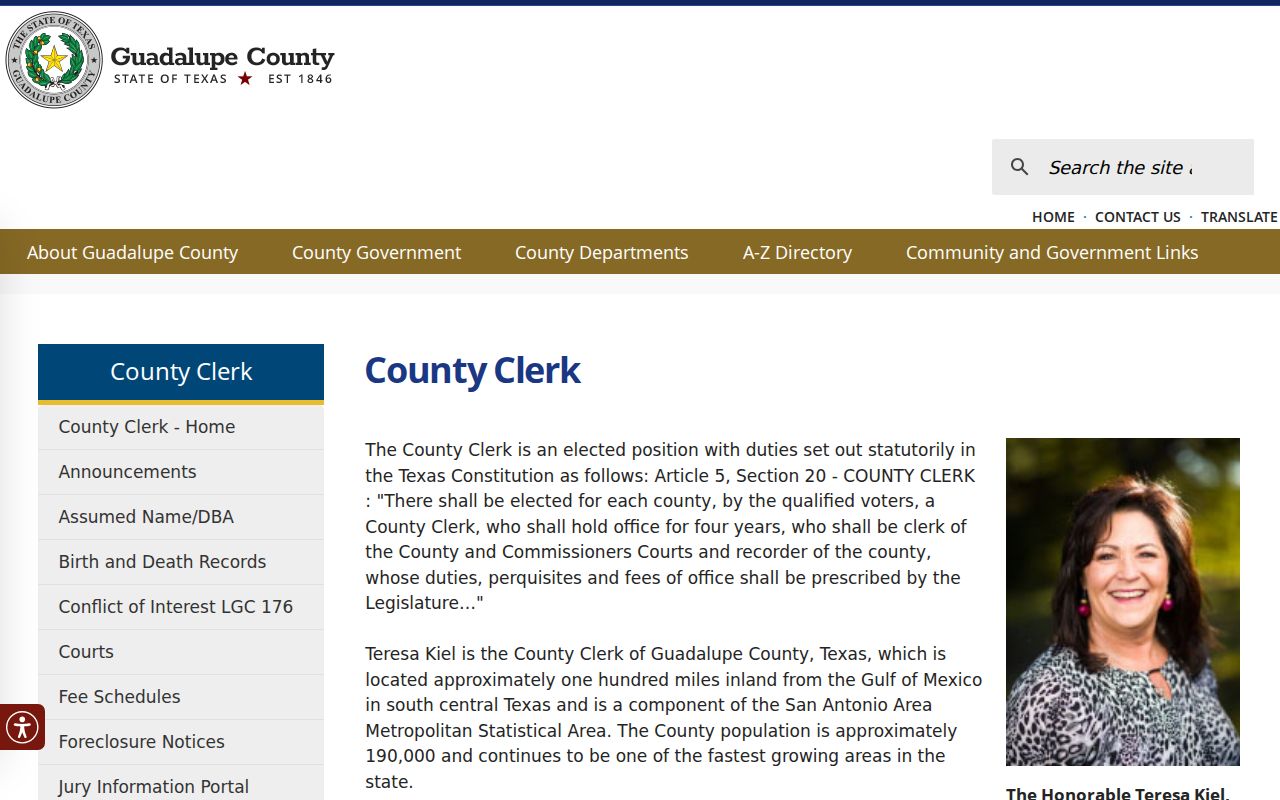
Use the clerk tied to the underlying court, not whichever office is nearest.
How Guadalupe County Arrest Warrants Are Served
Serving a Guadalupe County warrant falls mostly to the Sheriff's Warrant Division. It says it finds and apprehends people wanted on District and County Court orders. It also works county warrants for outside agencies. The Criminal Investigation Division obtains search and arrest warrants during criminal investigations. The civil-process offices serve writs instead. They are not a warrant map. Municipal police may execute city-court warrants. Other authorized peace officers can act under state law, and who serves an order tells you nothing about which clerk holds the docket.
Guadalupe County Sheriff’s Office
2617 N. Guadalupe Street, Seguin
(830) 379-1224
Civil Writs Are a Different Process
Not every writ is a criminal arrest warrant. A civil capias, tax warrant, writ of attachment, or writ of possession runs on civil rules. Guadalupe County's Precinct 1 Civil and Writs page describes that process and its writ terms. Know the case type first. A JP or municipal citation matter may carry a capias label, while a District Court arrest warrant belongs to a criminal case. The county civil-process page lists constable offices. It is civil service, not a criminal roster.
Arrest Warrant vs Summons vs Bench Warrant
A summons tells you to appear or respond. It is not an arrest order. A bench warrant in Guadalupe County usually follows a missed court obligation, while a fresh arrest warrant rests on probable cause and the court decides which applies by the triggering event.
| Process | Usual trigger | First status route |
|---|---|---|
| Arrest warrant | Complaint and magistrate finding | Issuing court and serving agency |
| Summons | Notice to appear or answer | Court listed on the paper |
| Bench warrant | Missed setting or court order | Court that set the matter |
Do not infer one process from another court’s wording.
Executed Records and Public Access
Article 15.26 makes an executed arrest warrant and its supporting affidavit public information once the order has been carried out, subject to other law. That timing matters. An unexecuted investigative order, a sealed filing, a juvenile matter, or protected law-enforcement records may be handled differently. Texas Government Code Chapter 552 governs public information and its exceptions. If a Guadalupe County clerk withholds part of a request, ask which exception applies. Ask whether a public portion can be released. Juvenile records fall under Family Code Chapter 58. A records response proves what a file says, not a live warrant status.
Federal Warrants Have Their Own Docket
Federal warrants live on a separate docket. Guadalupe County sits in the San Antonio Division of the Western District of Texas. Federal criminal process and U.S. Marshals activity are apart from county court and Sheriff records. PACER is the docket route when entries are public. CourtListener carries contributed RECAP material, though its coverage is not complete. Sealed and unexecuted warrants may not appear at all. PACER's fee page lists the current per-page charge and the quarterly waiver threshold. Check that official page before searching. The San Antonio Marshals office is no public warrant-name search.
Review PACER’s official access-fee information.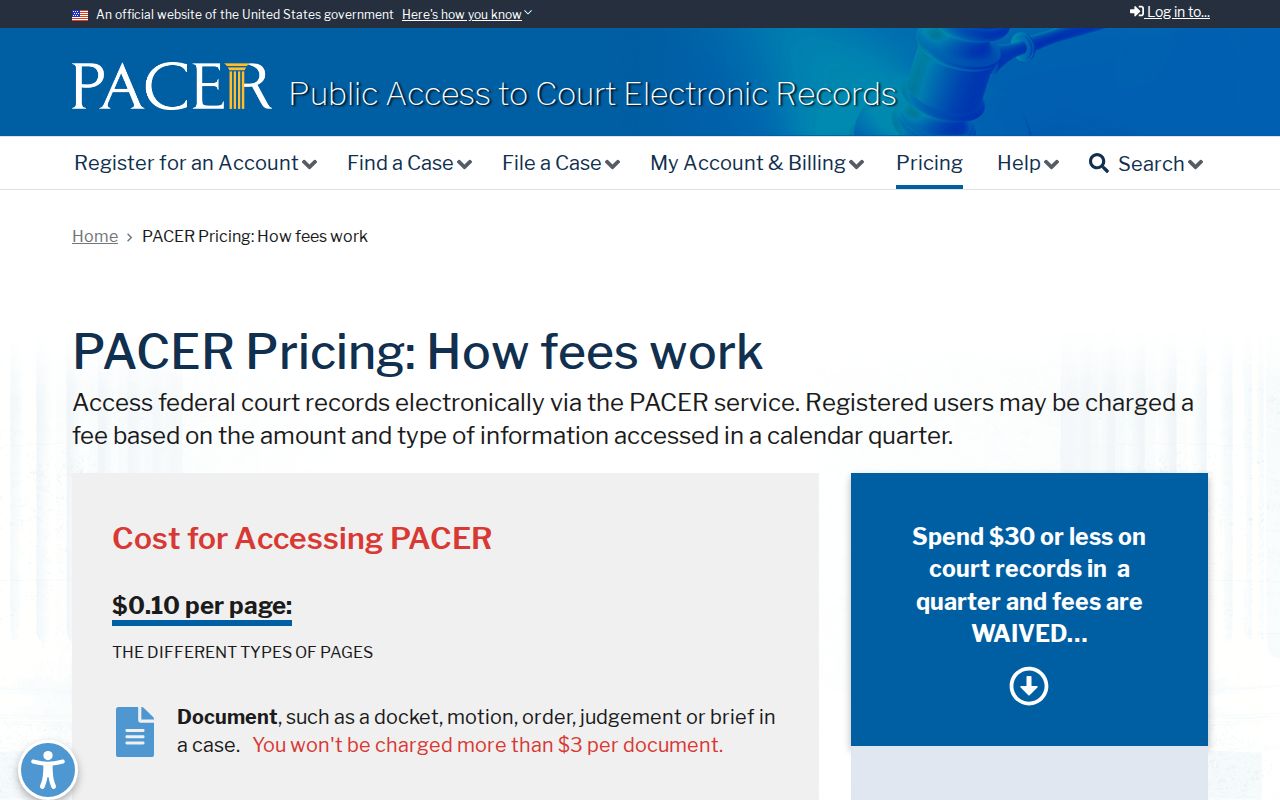
Use the federal route only for a federal matter; paying Guadalupe County does not close a federal docket.
If an Arrest Warrant May Be Yours
Call first. The issuing court or the Sheriff’s Office can tell you which court holds the case, its case number, and the process label attached to it. Ask what the court requires before anyone moves: counsel, a filing, a bond, or a personal appearance. Guadalupe County publishes no universal surrender appointment schedule or bond table. A lawyer can still advise on the safest way to face the case.
Important: Speak with a Texas attorney or the issuing court before going to a law-enforcement office; no county no-arrest appointment is published.
After any court action, ask for the docket entry or a written status confirmation. The same steps for dealing with a possible warrant are summarized on the Guadalupe County home page.